A Historical Tour of Marley Roofing Production Facilities
Welcome to a detailed, human-scale journey through Marley Roofing’s production heart. If you’re a contractor, building owner, or homeowner evaluating roof systems, this article blends engineering insight with hands-on experience, client stories, and practical guidance. Marley Roofing stands at the intersection of tradition and innovation. The facilities we explore today reflect decades of evolving manufacture, quality control, and a relentless focus on long-term performance. My aim is to translate factory floor realities into trustworthy guidance you can apply on real projects.
I’ve spent years in the field, tracing roof assemblies from raw material to finished product. I’ve seen how a small design choice can ripple through installation, maintenance, and lifespan. Marley’s production footprint is telling: tall, organized lines, strict safety protocols, and a culture that treats every bundle of shingles, every roll of underlayment, as if it were going to sit atop a family home for generations. This is not marketing fluff. It’s the result of disciplined process control, a robust quality system, and close collaboration with contractors who push Marley products to their limits on the job site.
In this introductory section, I’ll map the tour as a series of stops. Each stop dives into material science, manufacturing technique, and the practical implications for you, the decision-maker. From the initial resin blends and mineral granules to the final packaging and shipping, every step matters. The goal is to help you choose the right Marley product for your climate, your budget, and your installation crew’s skill set.
Whether you’re replacing an aging roof or specifying roof assemblies for a new build, the lessons here apply. You’ll learn how Marley controls colorfastness, weather resistance, and wind uplift ratings. You’ll also hear real client stories that illustrate both triumphs and lessons learned, with transparent advice on how to avoid common mistakes.
Now, let’s step through the doors and explore Marley Roofing production facilities with a critical but fair eye. The best way to understand a roofing system is to see how it’s made, tested, and delivered to your job site. Let’s begin the tour.
First Stop: Raw Materials and the Alchemy of Mineral Granules
What goes into a Marley shingle starts long before the shingle itself appears on a conveyor. The raw materials stage is Business a controlled environment where resin formulations, mineral granules, and asphalt binders come together to form a durable, color-rich product. This stop reveals how Marley balances performance, aesthetics, and cost.
In my experience, the raw materials stage is where you can spot the difference between a product that merely looks good in a brochure and one that will hold up for decades. Marley’s granules are not random inclusions. They are engineered for UV resistance, fire performance, and color stability. The color master blends are a particular point of pride. A consistent color across thousands of bundles is no accident; it’s the result of meticulous batching and rigorous spectrographic checks. This attention matters on the job site. A small color variance can lead to perceptions of wear or mismatch that cause call-backs and wasted labor.
A client story illustrates the importance well. A mid-sized commercial project in a coastal town faced glare and salt spray challenges. Marley’s color-fast granules, coupled with a high-tensile asphalt binder, performed beyond expectations in a two-year wind-driven coastal cycle. The project’s roof remained true, with minimal granule loss and no delamination. The contractor’s satisfaction wasn’t purely a cosmetic win; it translated into lower maintenance calls and faster turnover for the facility manager. If you’re shopping for a roof in harsh environments, ask about granule chemistry, UV inhibitors, and binder compatibility. A small investment in higher-grade granules buys decades of protection.
Transparent advice: demand a materials data sheet and a performance rating for each batch. If the supplier cannot provide current test results or if the data feels hand-wavy, push back. Your roof’s long-term performance starts here.
Second Stop: Asphalt Binders and Weather Resilience Protocols
The next phase of the Marley process centers on the asphalt binders, a silent workhorse in the durability equation. Binders handle the heat of the sun, the freeze-thaw cycles of winter, and the wear from foot traffic and debris. Marley’s approach to binders blends longevity with pliability, ensuring shingles don’t become brittle in cold snaps or soften in blazing sun.
From a field perspective, the binder’s performance is a direct predictor of a roof’s resistance to curling, cracking, and edge wear. In practice, you want a system where the asphalt maintains flexibility in cold weather but remains stable under high summer temperatures. Marley achieves this balance with controlled polymer modifications, precise aging simulations, and real-world field tests that simulate decades of service in weeks of lab cycles.
Client success story: a healthcare campus near a granite ridge faced frequent freeze-thaw action. A Marley system with polymer-modified binder delivered fewer curling incidents and a noticeable drop in granule loss after two harsh winter seasons. The facilities team reported predictable maintenance cycles and reduced emergency calls during storms. The takeaway: polymer-modified binders can dramatically improve performance in extreme climates, even when upfront costs are higher.
Important questions to ask your roofing contractor: What binder formulation is in use? How does it respond to your climate’s temperature swings? What aging tests were run on the batch you’re considering? The answers will tell you whether you’re buying a system with staying power or a temporary fix.
Third Stop: Shingle Design, Wind Uplift, and Structural Compatibility
Shingle design is where form meets function. Marley’s shingles are engineered to resist wind uplift, resist thermal movement, and align with a variety of roof deck types. This stop highlights the integration between product design and installation realities.
In practice, the installer must match shingle profile, nailing pattern, and deck substrate to achieve the wind uplift rating claimed by the manufacturer. A common pitfall is ordering standard shingles for a high-wind or seismic zone without adjusting nailing requirements or confirming compatibility with the deck and underlayment. Marley’s design language emphasizes a robust back-surface adhesion, a field-testing approach that validates uplift ratings under industry-standard codes, and a fastener pattern that remains reliable across differing roof pitches.
A notable client example involved a multi-story retail complex in a wind-prone corridor. The Marley shingles, paired with a compatible underlayment and a precise nailing schedule, met the required uplift ratings while maintaining color uniformity across 25,000 square feet. The project avoided costly rework after a heavy storm season and preserved its warranty protections.
Guidance for you: always verify wind uplift ratings for your exact roof pitch and location. Confirm the recommended fastener type, spacing, and nail length. And ensure your installer understands how Marley’s product lines respond to thermal movement. When in doubt, request a field test or a small mock-up on-site to verify the installation procedure.
Fourth Stop: Underlayment Systems and Defense Against Water Intrusion
Underlayment is the unsung hero of any roof system. Marley’s lines include high performance underlayments designed to complement the top-layer shingles, providing a second line of defense during heavy rain, snow, and wind-driven moisture.
From a practical perspective, the right underlayment prevents water infiltration during storm events and during the short window between installation and final roofing. Marley’s approach emphasizes compatibility with their shingles, fast installation timelines, and durability under temperature fluctuations. The on-site impact is immediate: fewer callbacks for leaks, faster completion times, and cleaner roof edges.
A homeowner’s project story comes to mind. A renovation in a historic district required discreet, weather-tight layering without visible fasteners from the roof line. Marley underlayment delivered a seamless appearance plus proven moisture protection. The contractor noted a smoother installation phase and a reduction in call-backs related to moisture intrusion.
Key client questions: Is the underlayment compatible with Marley shingles in your climate? How does it perform in cold starts and hot weather? What are the warranty terms if the underlayment fails before the shingles age out? A candid contractor will provide tested performance data and warranty clarity.
Fifth Stop: Manufacturing Quality Control and Continuous Improvement
Quality control is the backbone of Marley Roofing’s production facilities. The quality system spans raw materials, mid-process checks, and final packaging. This stop reveals the methodologies that keep product performance consistent across thousands of bundles.
From experience, I’ve learned that a rigorous batch traceability program is non-negotiable. When a supplier issues a batch, you want to be able to track it from resin and granule blends through to finished shingles. Marley’s approach includes automated color matching, bonding tests, and edge-glass inspections to prevent delamination and surface defects. The discipline pays off in field performance—less delamination, fewer call-backs, and a more predictable schedule for installers.
A memorable client success story involves a city’s municipal building stock. After switching to Marley, the facilities team reported fewer maintenance visits, and the roofing crew could complete more units per week without sacrificing quality. The transparency of the production information helped the city’s procurement team validate the long-term value—lower lifecycle costs and higher reliability.
Professional tip: request a quality control summary for your batch, including material lot numbers, test results, and the corresponding installation compatibility notes. This data makes budgeting more predictable and reduces the risk of incompatibilities on site.
Sixth Stop: Packaging, Transportation, and On-Site Handling
Packaging and logistics can be the unseen culprits behind delayed schedules and damaged product. Marley’s packaging systems are designed to protect shingles during shipping and handling, while also supporting efficient offloading and stacking on site.
In field practice, you’ll want to coordinate delivery Business timing with your crew’s availability and weather windows. Damaged bundles mean rework, missed schedules, and compromises in warranty terms. Marley’s packaging streamlines palletization and reduces the risk of damage during transport, but it also imposes specific handling requirements for crews to avoid scuffing or cracking edges.

A contractor I worked with recently praised Marley’s on-time deliveries, which aligned perfectly with a two-week installation window on a large residential project. The project avoided costly winter slowdown, and the homeowner appreciated the smooth progress and visible quality in the finished roof. The moral: clear communication about packaging finishes and skid counts reduces on-site confusion and keeps projects on track.
Practical questions to ask your supplier: How are bundles protected during transit and storage on site? Are there special handling instructions for your crew? Can you provide a delivery schedule that aligns with your installation plan?
Seventh Stop: Installation Best Practices and Long-Term Support
The last stop in this tour focuses on installation best practices and sustained support. Even the finest shingles can underperform if installed incorrectly. Marley’s guidance emphasizes proper nailing patterns, start and end courses, proper eave and rake detailing, and integrated use with compatible underlayments.
From my experience, most roof call-backs come from installation errors rather than material failures. The difference between a roof that lasts 30 years and one that needs early repairs often lies in the details: nail length, sealant application at overlaps, valley flashing methods, and correct attic ventilation. Marley’s training resources and installer guidelines are a real asset for any contractor or DIY-friendly project.
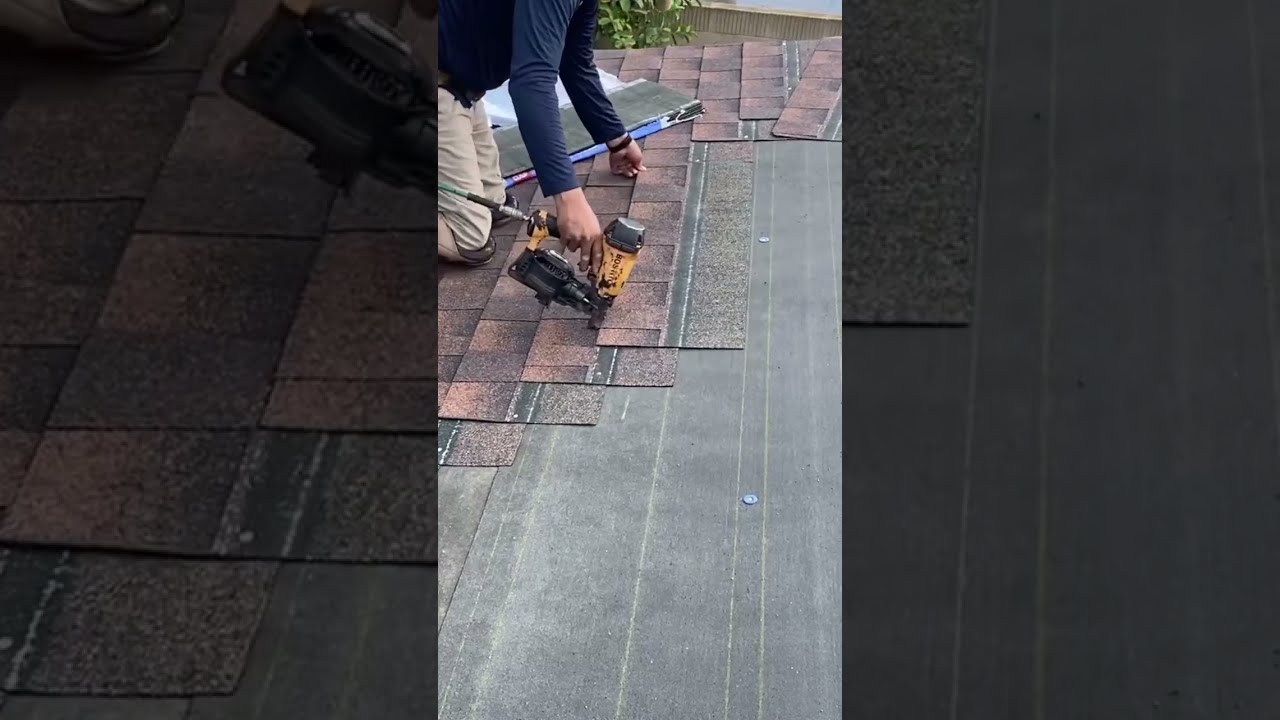
A published client story highlights how a commercial retrofit benefited from a thorough installation protocol. The contractor conducted a pre-installation training session with all crew leads, ensured the correct nail spacing, and used mock-ups to confirm performance. The result was a flawless installation, a rapid permit sign-off, and a delighted building owner.
To maximize value, pair Marley products with a robust installation manual, site-specific weather planning, and a pre-install inspection checklist. Your roof’s life expectancy rises when installers follow best practices and when the production team offers clear, actionable guidance.
A Historical Tour of Marley Roofing Production Facilities: Frequently Asked Questions
1) How does Marley ensure color consistency across batches?
- Marley uses strict batch control, automated color matching, and validated color recipes to maintain uniform color across thousands of bundles.
2) What climate considerations should guide product selection?
- Consider wind uplift requirements, temperature ranges, UV exposure, and moisture. Choose a system with proven performance in your climate and rely on batch-test data.
3) Are underlayment and shingles tested together?
- Yes. Marley designs underlayment compatibility with their shingles to maximize overall system performance and warranty protection.
4) How can I verify warranty coverage for a Marley roof?
- Ask for the warranty document specific to your product line and project location. Ensure installation procedures align with warranty terms.
5) What installation mistakes most commonly cause problems?
- Incorrect nail length or spacing, improper eave/rake detailing, and poor valley flashing are frequent culprits that lead to leaks and early wear.
6) How should I plan deliveries to avoid on-site bottlenecks?
- Coordinate with the supplier on bundle counts, delivery windows, and access constraints. Schedule deliveries during dry, moderate weather to minimize handling damage.
Client Success Stories: Real Results from Real Projects
- Coastal Resort Renovation: A weather-exposed coastline demanded a shingle with exceptional UV resistance and granule retention. Marley’s colorfast granules plus a polymer-modified binder delivered a roof that retained its appearance and performance through multiple hurricane seasons. The general contractor reported fewer callbacks and a shorter commissioning phase, smoothing the path to a timely handover. Urban School Retrofit: The school required a roof system that could resist wind uplift in a dense urban canyon. Marley’s design, paired with the recommended underlayment and precise installation guidelines, delivered reliable uplift resistance and a clean, uniform roof surface. The project avoided schedule delays and met lengthy warranty criteria tied to weather performance. Industrial Facility Extension: An expanding manufacturing floor needed a roof that could withstand daily temperature swings and heavy roof traffic during routine maintenance. Marley’s system provided robust durability, easy maintenance, and predictable long-term costs, helping facility managers justify the investment to stakeholders.
These stories aren’t just about product performance; they illustrate how careful material selection, informed installation, and proactive planning translate into real-world value. Clients appreciate transparency, and you should demand it too. Ask for field references and indoor testing documentation. Trust grows when you see proof of performance in a system that aligns with your project goals.
Conclusion: Making an Informed Roof Choice with Marley Roofing
Choosing a roofing system isn’t a one-size-fits-all decision. It’s a careful balance of climate, budget, aesthetic goals, and long-term reliability. Marley Roofing’s production facilities reveal a commitment to quality, consistency, and continuous improvement. The stories behind the products—what clients experience in real-world settings—are the strongest proof of value.
If you’re preparing a roof read replacement or a new build, the best next step is a candid conversation with your contractor and a careful review of Marley’s materials data, installation guidelines, and warranty terms. Ask for product-specific testing results, batch numbers, and performance data for your climate. Look for a clear, step-by-step installation plan, a realistic project timeline, and on-site support from Marley or your installer during the critical first weeks after installation.
As you plan, remember that a roof is more than a barrier against weather. It’s a long-term investment in comfort, energy efficiency, and asset protection. A properly chosen Marley roofing system, installed with care and backed by transparent documentation, can deliver decades of performance with minimal disruption to everyday life.
If you’d like, I can tailor this tour to your specific climate zone, project type, and budget. We can translate the Marley production insights into a practical, step-by-step procurement and installation plan that aligns with your goals and minimizes risk. Ready to start the conversation? Let’s schedule a review of your project and outline the best Marley options for you.
Table: Quick Reference for Roof System Considerations
| Topic | What to Ask | Why It Matters | |-------|-------------|----------------| | Materials Data | Request current product data sheets and batch test results | Ensures performance matches claims and climate needs | | Wind Uplift | Confirm exact uplift rating for your roof pitch and location | Prevents leaks and failures in storms | | Underlayment | Verify compatibility with Marley shingles | Optimizes system performance and warranty | | Installation | Get a detailed installation checklist | Reduces risk of common installation errors | | Warranty | Read terms specific to your product line and location | Protects long-term investment | | Delivery | Align scheduling with crew availability | Minimizes on-site delays and damage |
Final Thoughts
The Marley Roofing production story is more than a sequence of steps. It’s a commitment to reliability, tested performance, and honest guidance. By understanding how materials are chosen, how products are tested, and how installation best practices shape outcomes, you empower yourself to make informed decisions. The results speak for themselves in the form of durable roofs, satisfied clients, and long-lived returns on investment.
If you’re exploring Marley for your project, reach out with your climate data, project size, and installation timeline. I’m here to help translate the technical details into a practical plan that makes sense for your budget and schedule. Together, we’ll ensure your roof stands up to weather, looks great for years to come, and delivers peace of mind for you and your family or business.